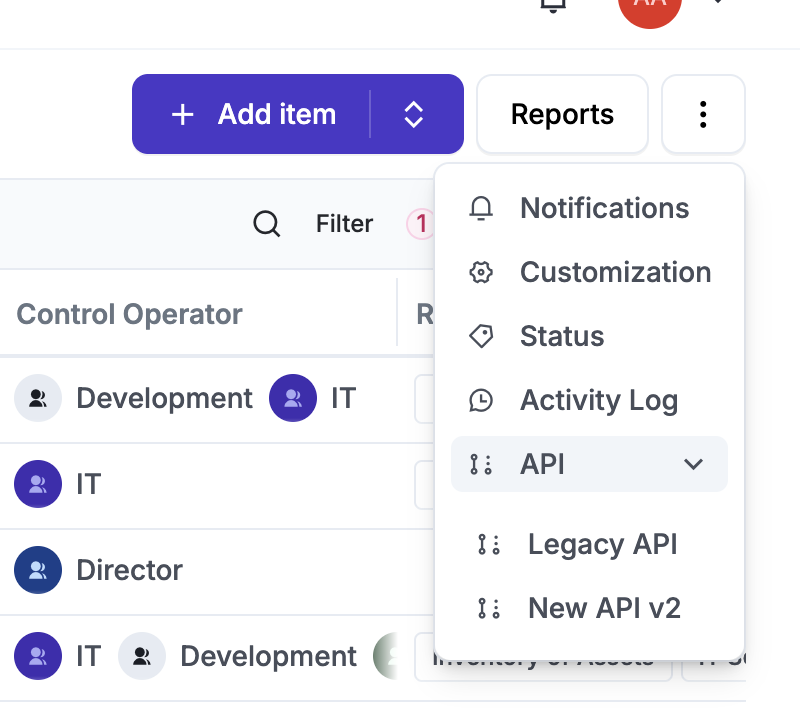
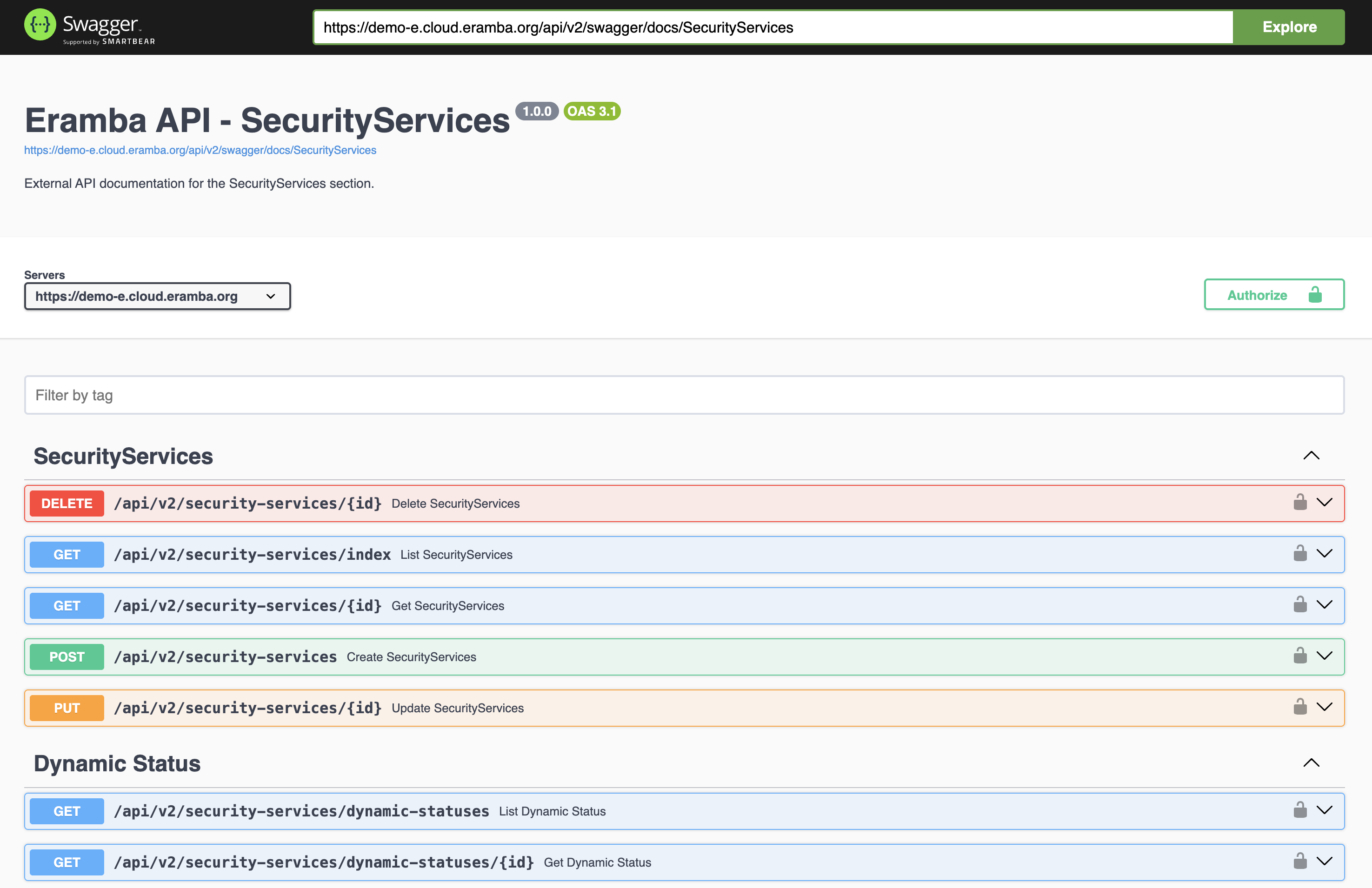
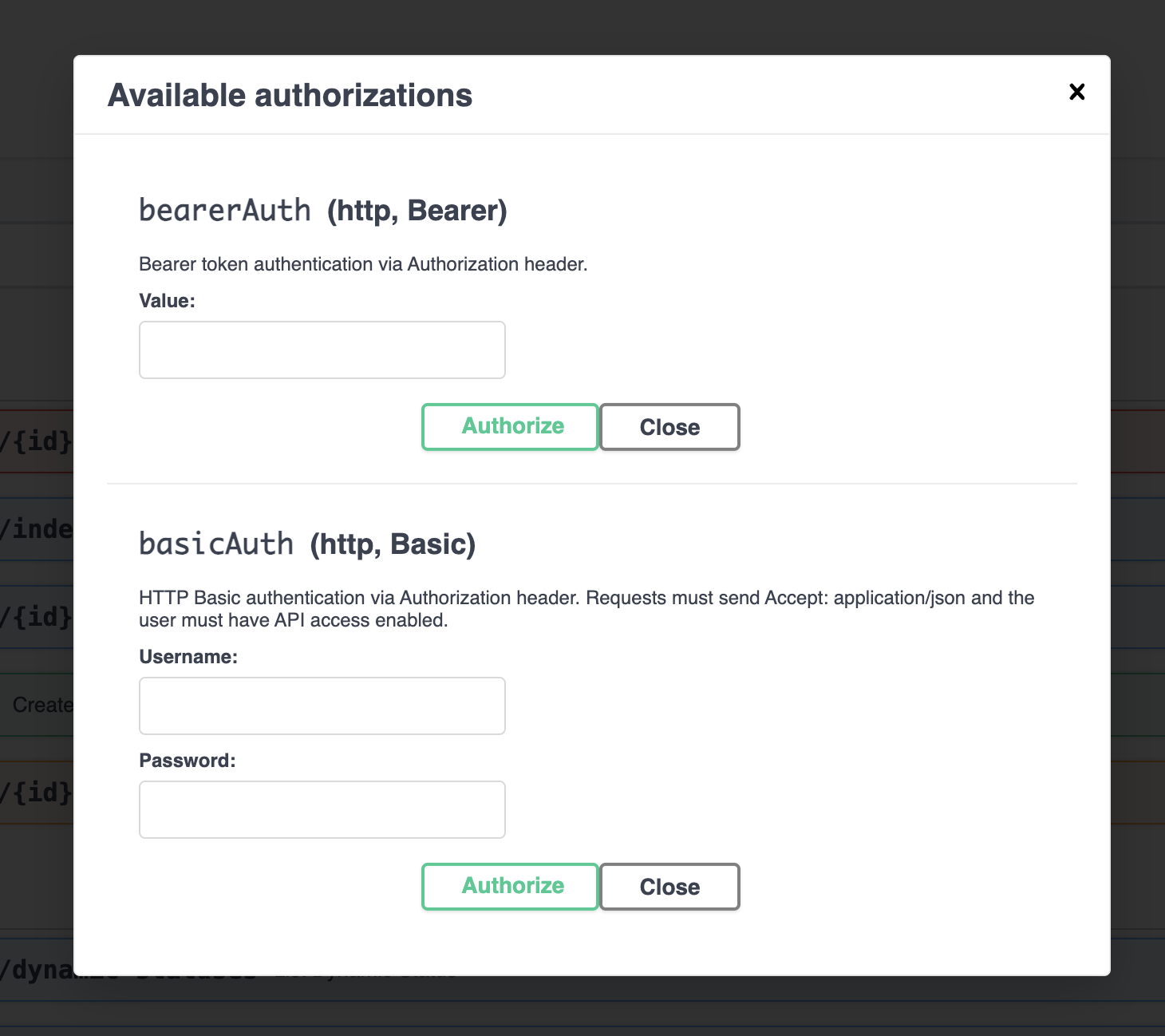
Reworked API and returning to Swagger documentation. It lets you try requests and inspect responses directly in the eramba UI - and any data used there is always just a test, it’s never saved to the database.
The old documentation was a custom build and, among other things, didn’t allow load testing straight from the UI.
What’s new:
The new API is available on all already-migrated sections, plus the long-awaited Users and Groups. In other words, it covers every section except Risks, Business Continuities, Policies, Compliance Packages and Account Reviews. - this will comae later as we are migrating everyting.
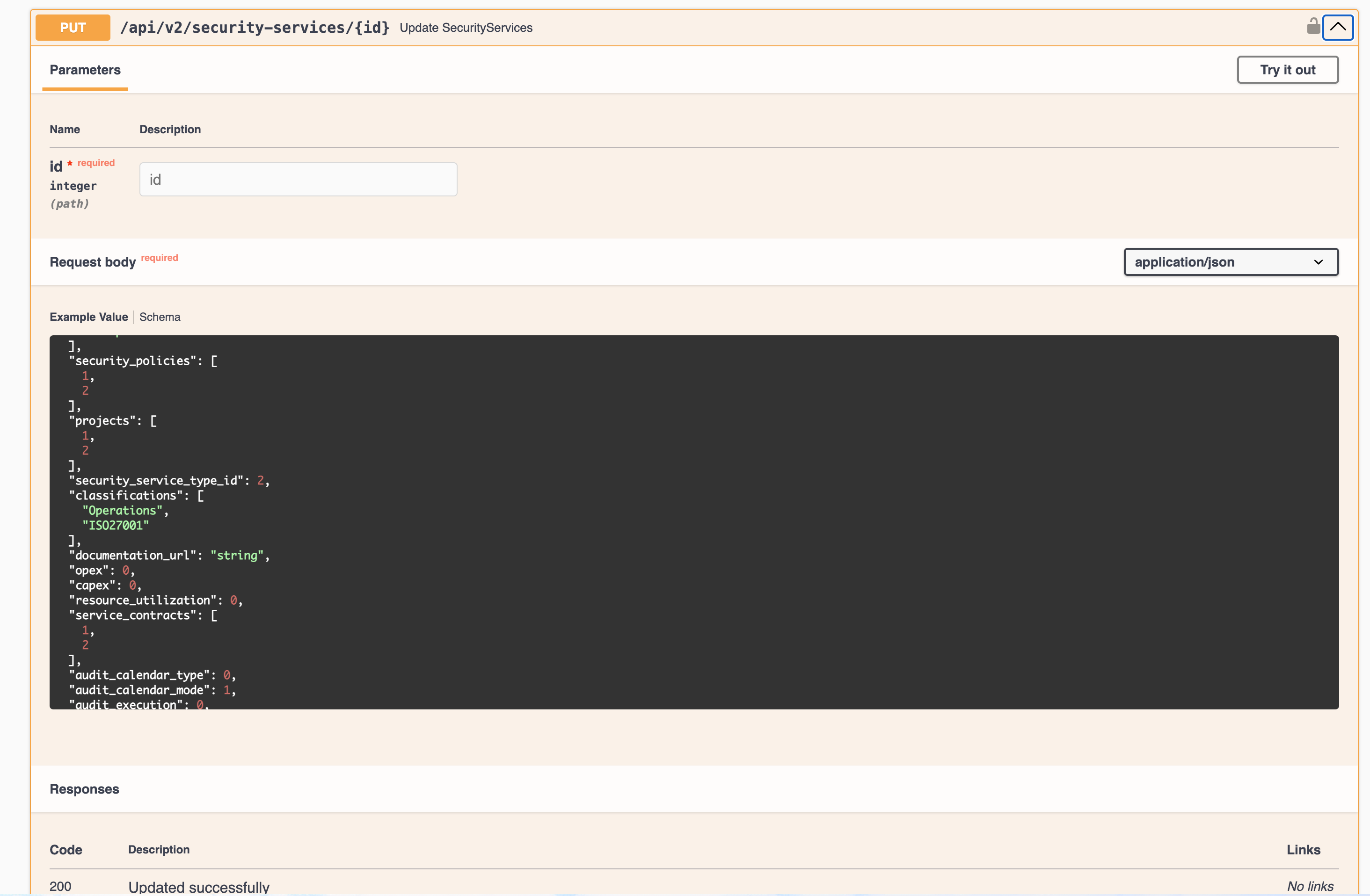
We now support PATCH - you no longer need to send every field in the payload, just the ones you want to update.
Filtering of results is also available.
Important: the old and new APIs will coexist for now. We can’t yet say for how long, we’ll give advance notice before deprecating the old one.
Hi, thanks for the update on API v2. At the moment, we are mainly interested in the asset risk filter functionality, as we would like to implement some related workflows. Are you planning to include risks in the next release? Sven
Risk won’t have API v2 in version 3.31 since that part hasn’t been migrated yet. The migration of all risk modules is already on the roadmap: https://roadmap.eramba.org/
Any module that has gone through the migration (new UI) will have API v2.
I’m sure there’s a good reason for that design choice, but depending on how you interpret RFC 9110, that may be stretching the definition of the PUT method a bit.